
🇰🇷 Jeju - Nature, Korean Baths, Quirky Museums
Relaxing in Korea's Hawaii
Jeju is South Korea’s largest island, known for volcanic landscapes and clean beaches. Some call it Korea’s Hawaii, mostly attracting Korean and Chinese tourists. It’s also a popular retreat destination and is home to many galleries and museums.
Nature
The nature in Jeju is unique, boasting blue water that contrasts with black volcanic rocks on the beaches. It’s also home to South Korea’s highest mountain - Hallasan, at 1950 metres.
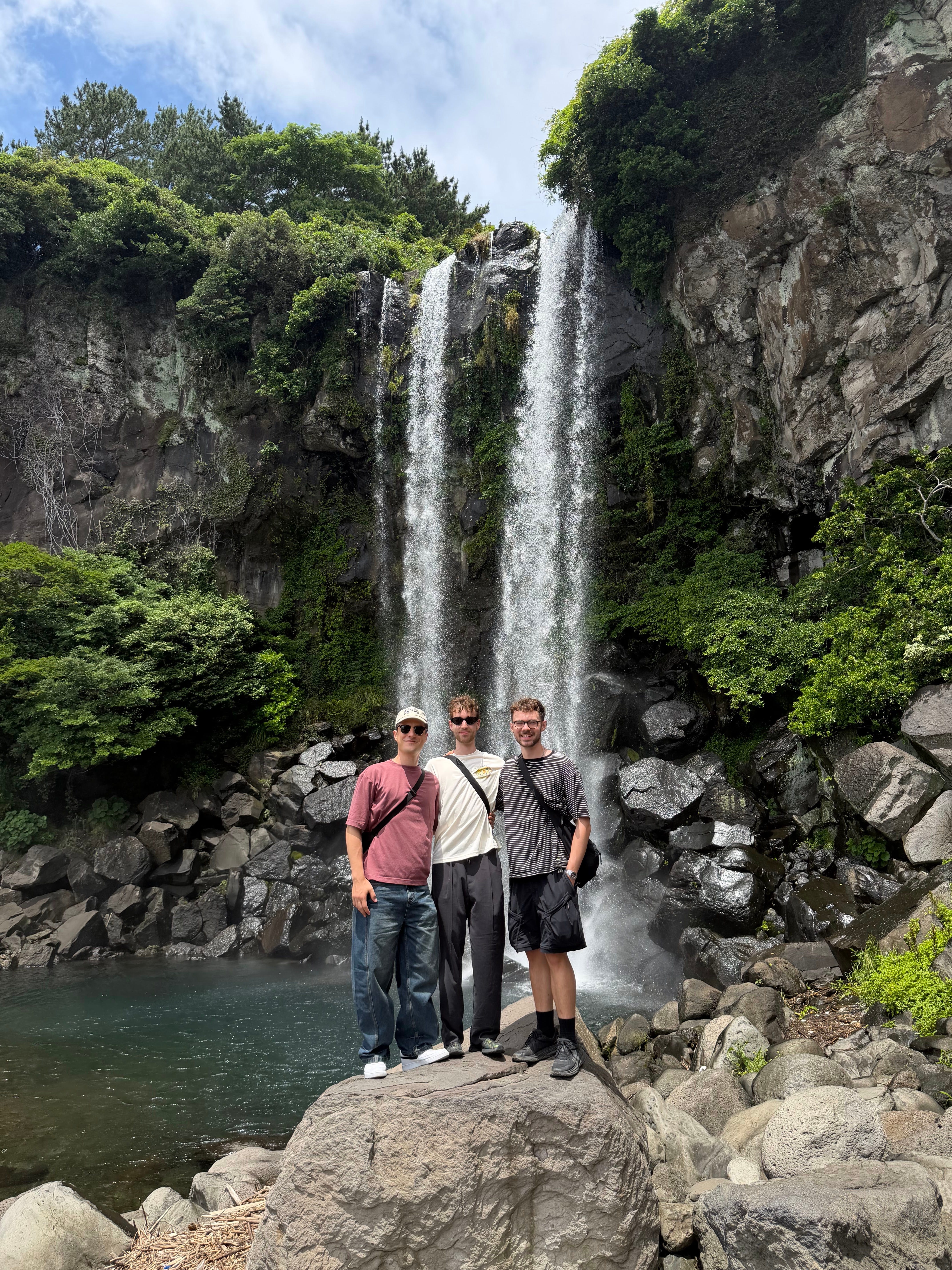
We spent a lot of our time on the island walking along the beaches, hiking up dormant volcanoes, and exploring waterfalls. It’s very easy to do this in Jeju - trails are well-marked, and many of them offer stamps you can collect to commemorate your efforts, such as the Olle trail.
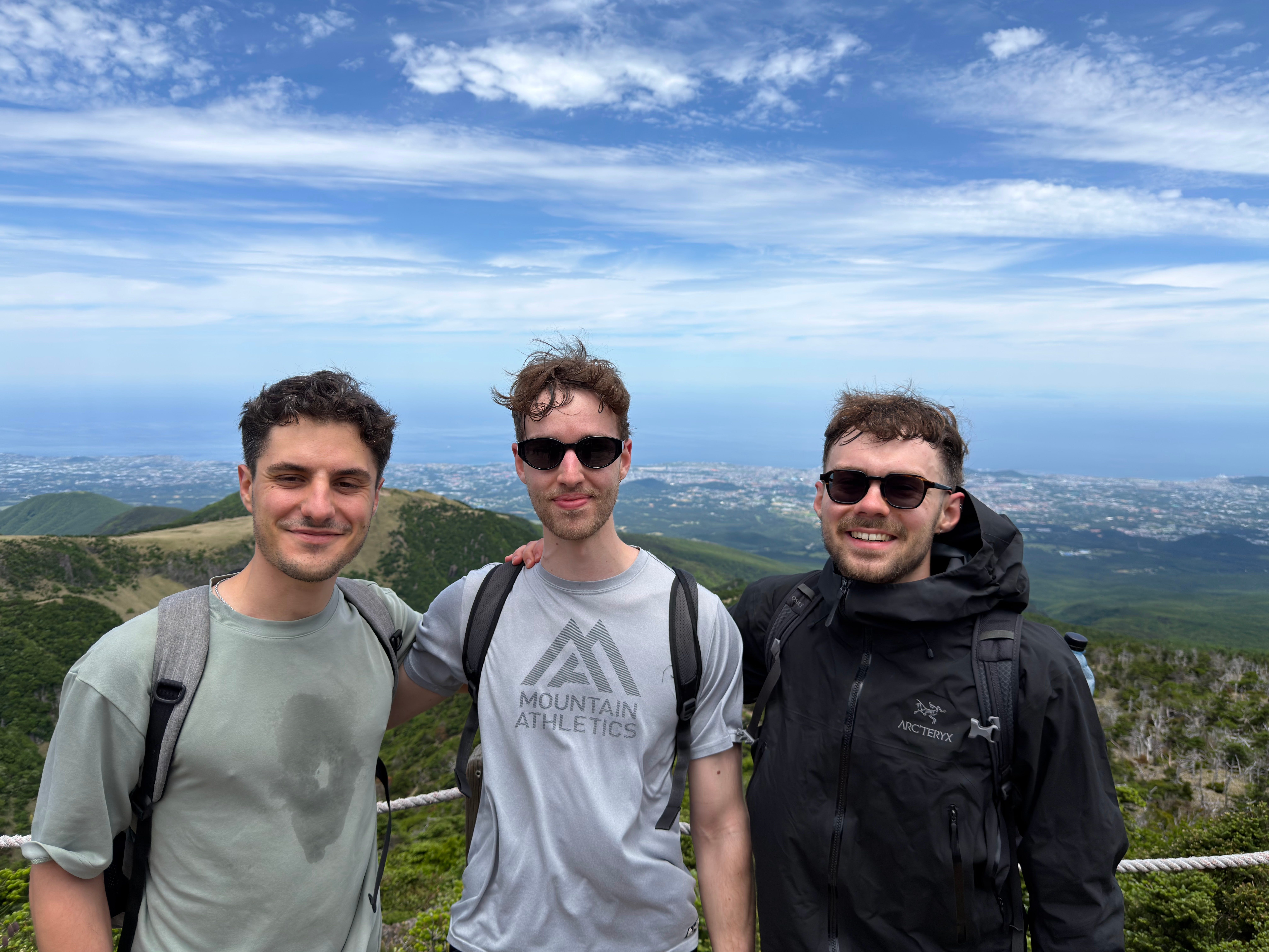
Hiking Mount Hallasan
We dedicated a day to hiking up Mount Hallasan. There was an interesting system in place, requiring us to reserve a free spot and to start the hike at a certain time. The hike was pretty long, effectively entailing constant walking up steps. Most of the hike was in a forest, which was later replaced by vistas of the entire island.
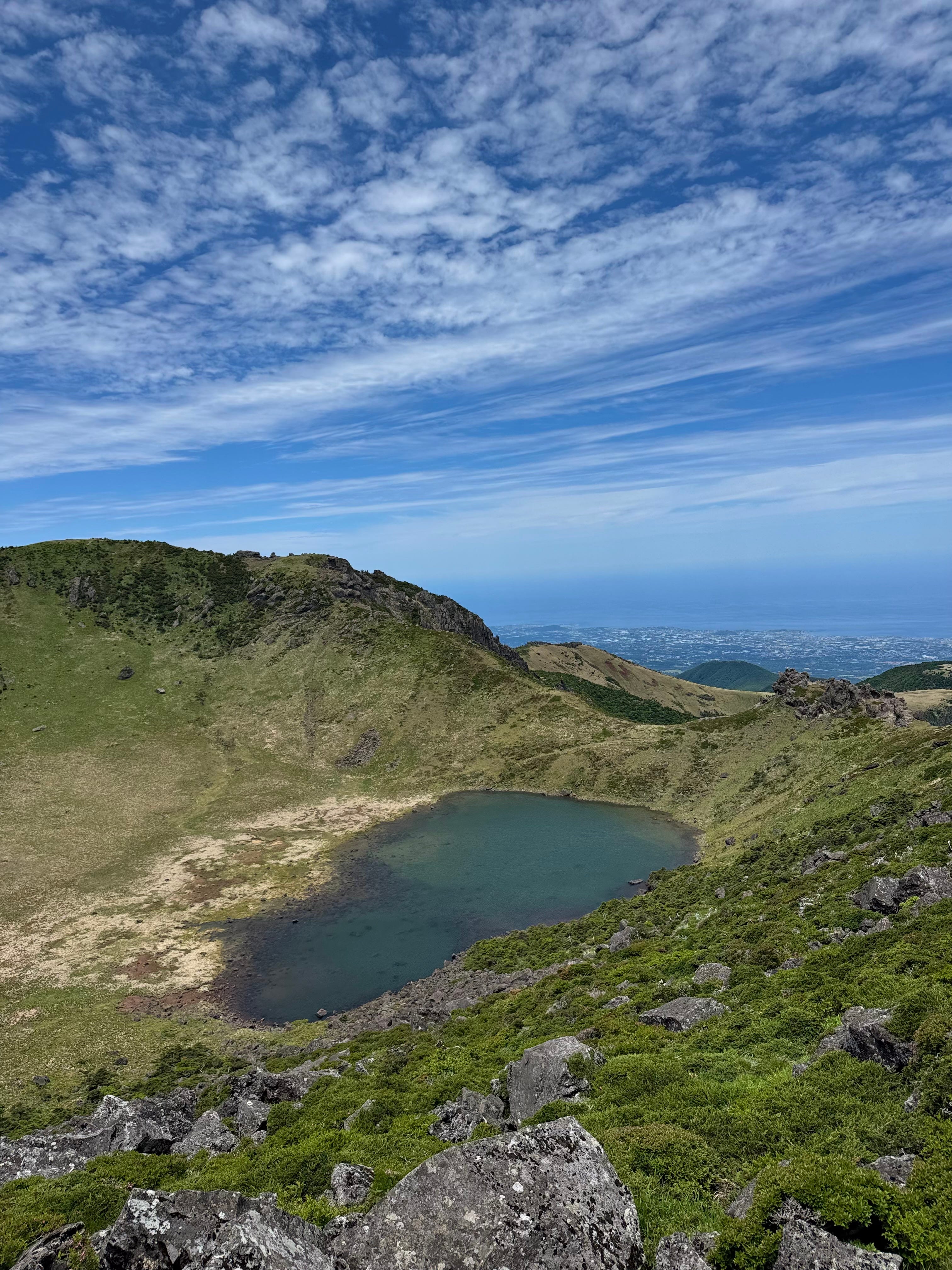
The peak had a pretty lake at the top, but otherwise, the hike was fairly unspectacular. I was impressed by how well the trail was maintained, though, with frequent toilets and even compressed air guns at the end to get mud off your shoes.
Udo Island
Udo is a tiny island in the East of Jeju. We managed to figure out how to get the ferry there (despite there not being a single sign in English), and rented e-bikes to cycle around the island.
Looping around the island is popular to do by bike or on foot. Although cycling around here felt a bit like being in an island-sized driving school, with everyone riding however they felt like - think of Mario Kart without power-ups. We’d stop from time to time to grab a coffee or food, and the day sort of vanished.
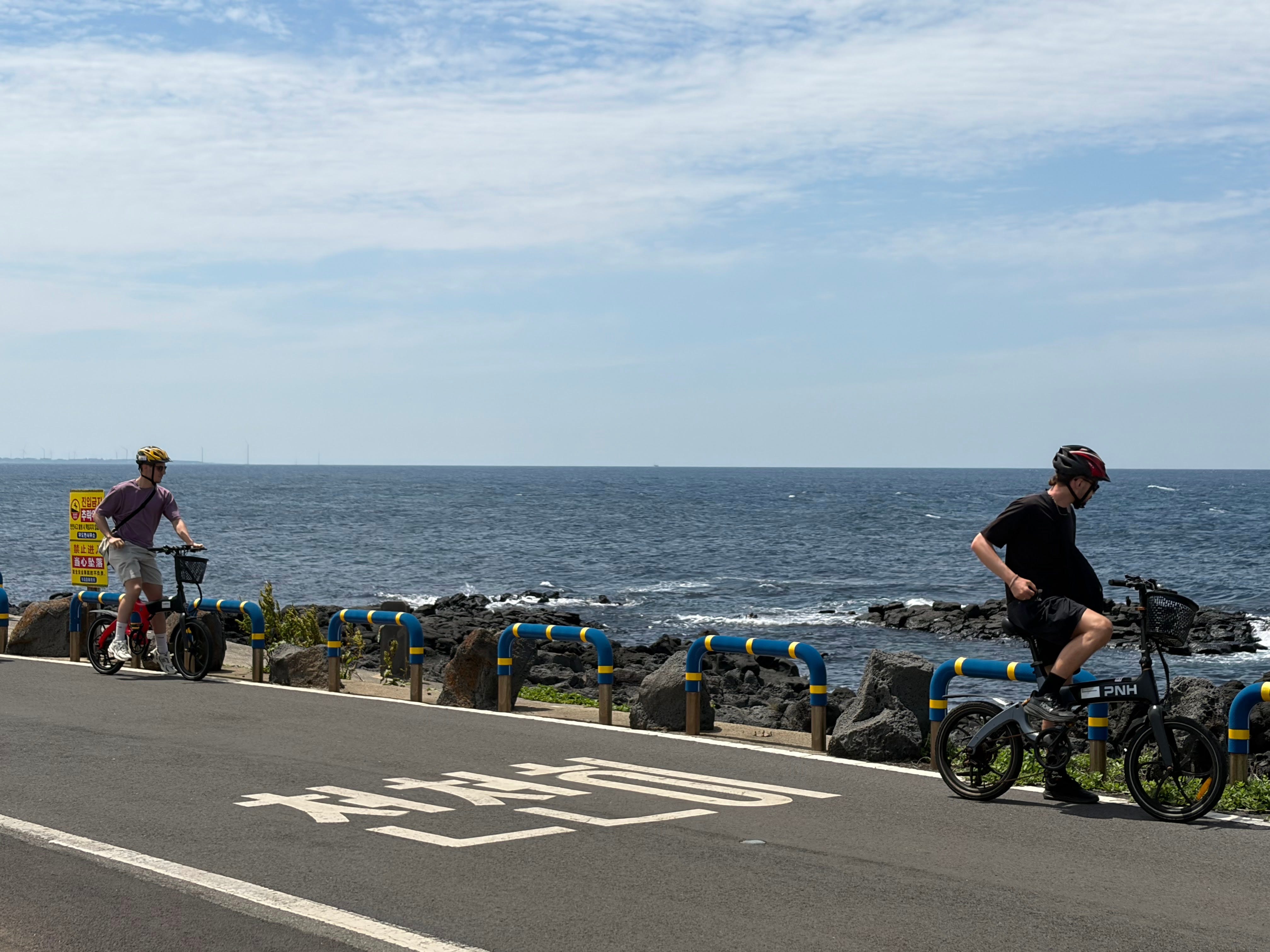
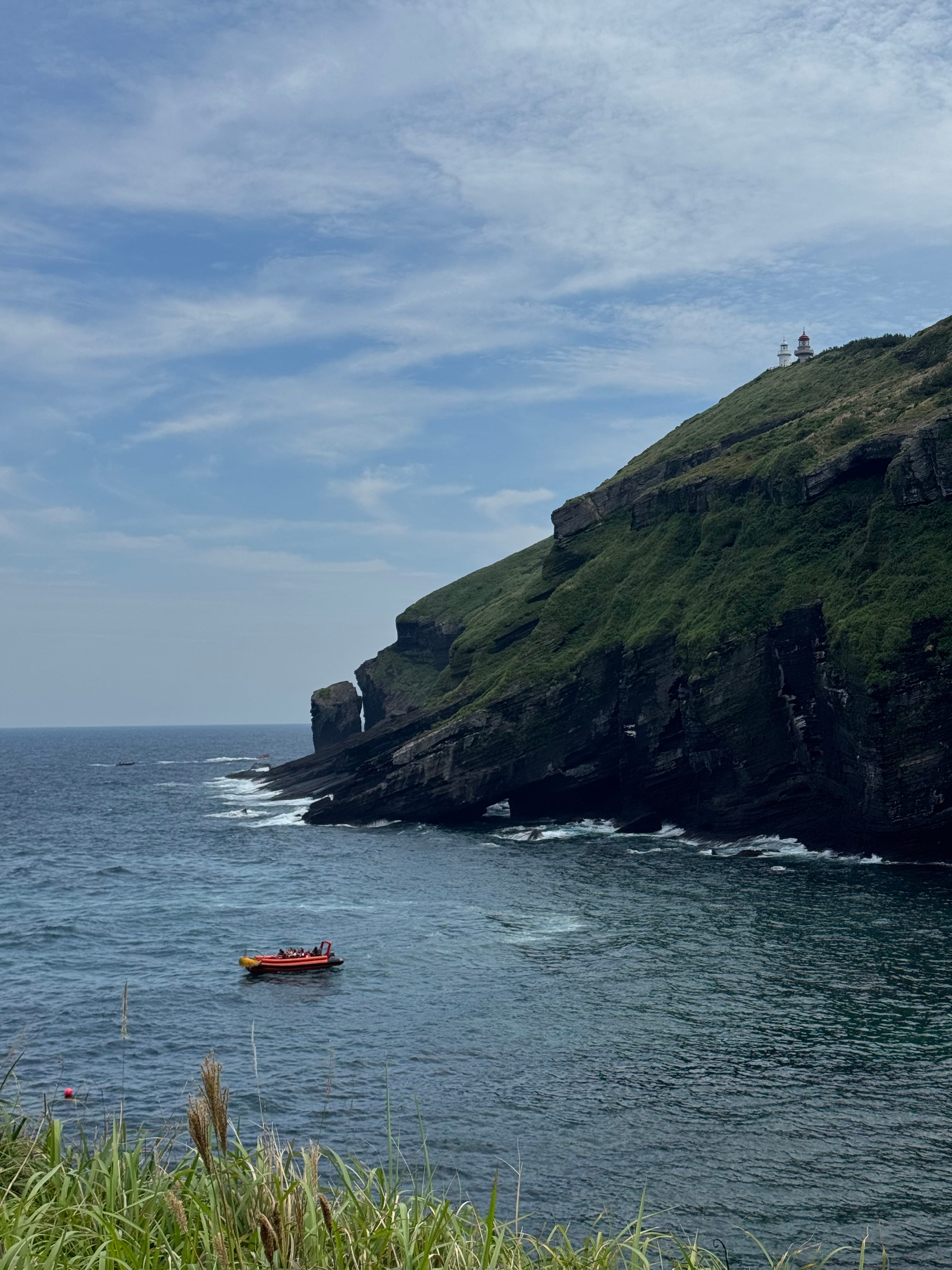
The coast on Udo is lush, and cycling around there was definitely a highlight of Jeju for me.
Jimjilbang (Korean Baths)
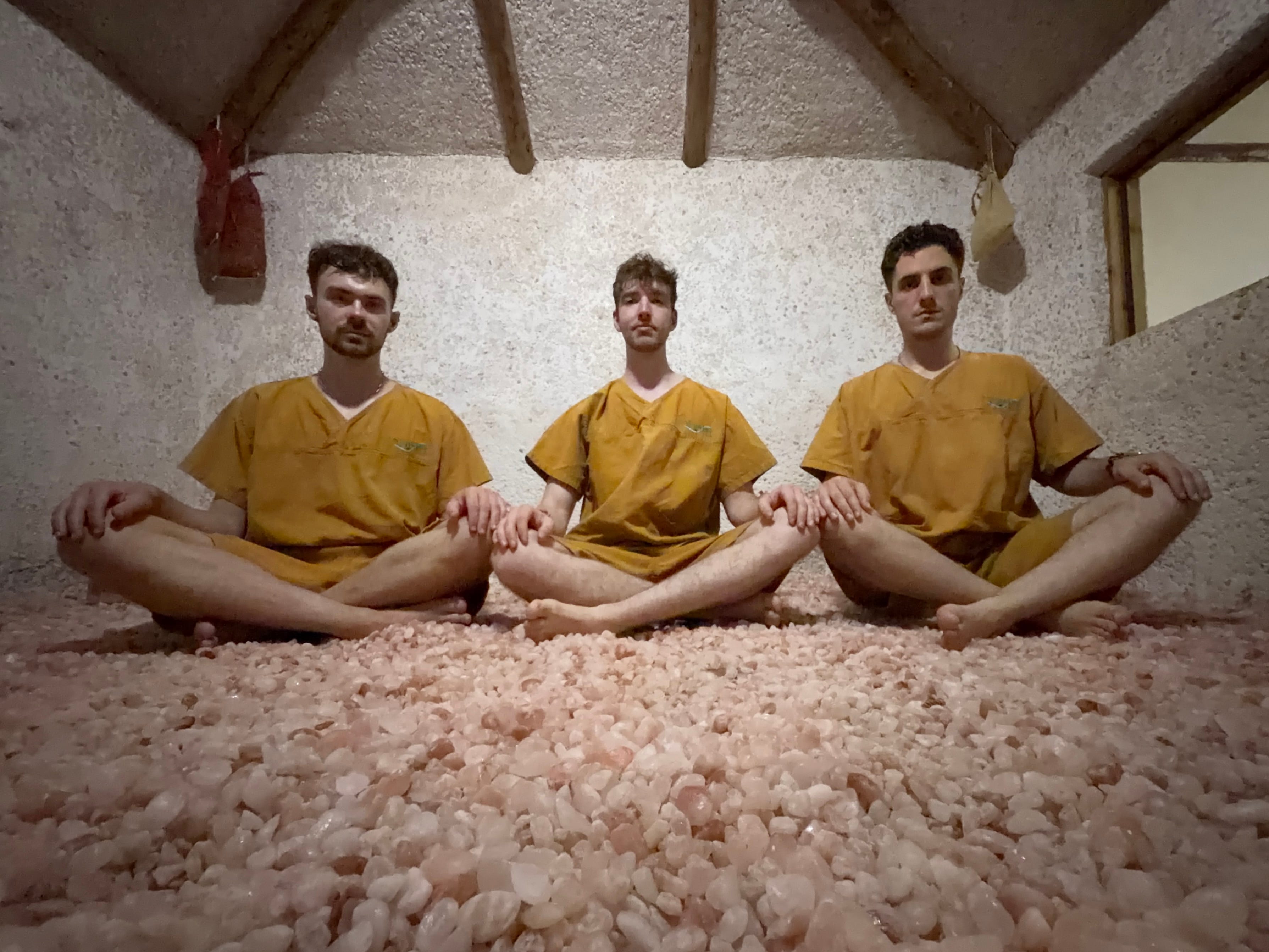
Jimjilbangs are Korean 24-hour bathhouses providing saunas, lounges, and snack bars. I’ve been missing European sauna culture (most saunas in Asia are wet), so I was looking forward to trying one out in Korea. We checked online before coming what the etiquette is, and were able to navigate the place fine. Entry was also a little less than £5 - being able to turn up to a sauna without pre-booking in London for that money would be a blessing.
We went to the gender-segregated nude saunas first, which were all very well maintained, and luckily, ran hot. The Koreans in there were very comfortable. When we walked in, there was a guy in one of the saunas doing push-ups, another guy moaning as he was getting massaged by one of the staff in the corner, and another guy on all fours massaging his buttocks with water jets coming from the ceiling. It doesn’t get more liberating than this.
After getting the most familiar I ever have with Isaac’s and Edon’s bodies in the last 5 years of our friendship, we put on the provided gowns and went to the jimjilbang. There we could rest on mattresses, go to salt rooms, and, in true Korean style, play on gacha machines.
Museums
There are a few quirky museums on the island that we checked out. Edon and Isaac weren’t as interested as I was in admiring what would have caused someone to erect statues of cock and balls in Love Land, so we opted for something more palatable.
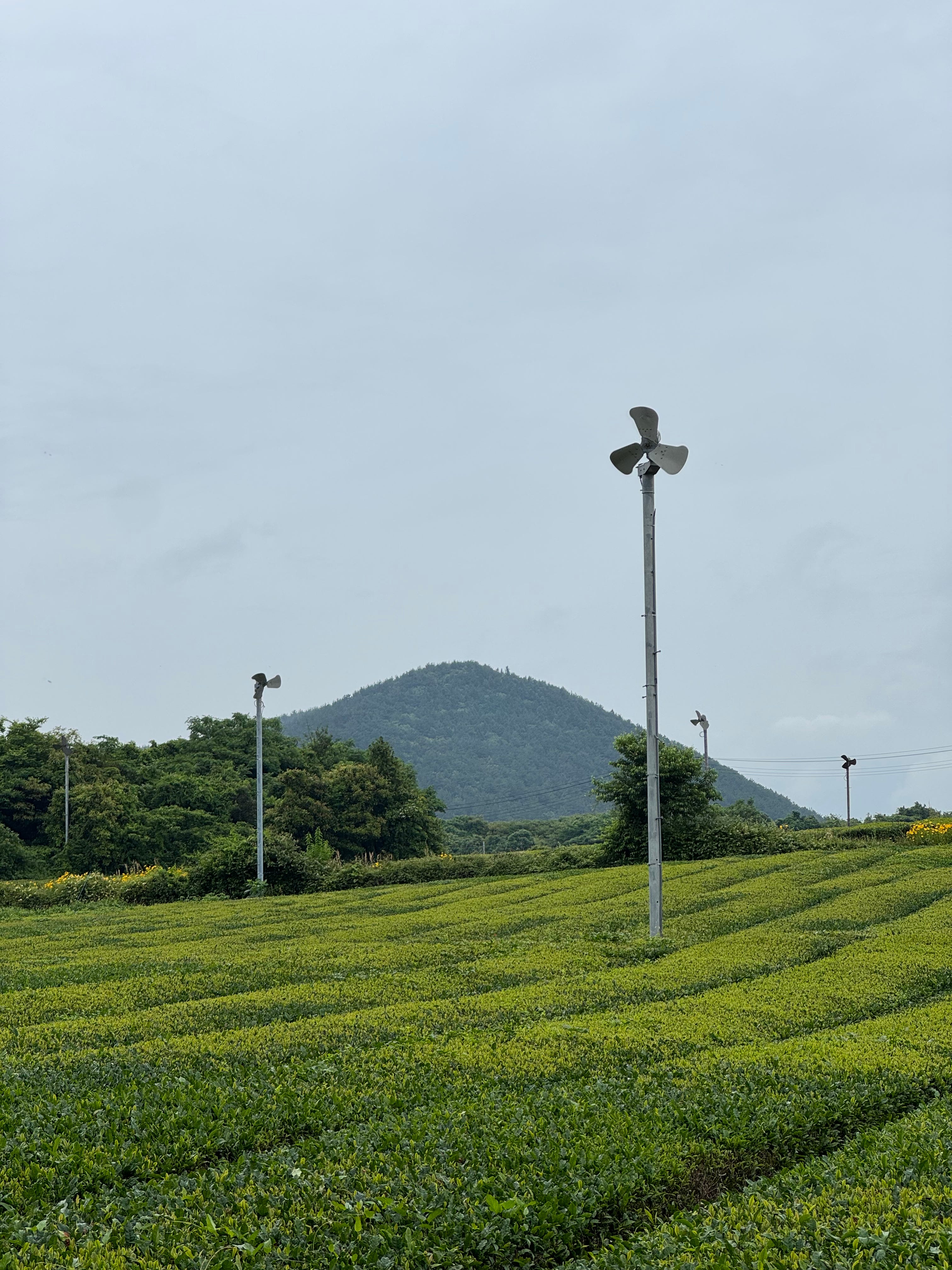
First, we went to the O’Sulloc tea museum. O’Sulloc is a popular tea brand in South Korea, but after having gone to the museum, a lot of its popularity might come from a large marketing budget. I wouldn’t recommend it - there wasn’t much of a museum to see, but there were plenty of opportunities to spend money. I’ll have to learn more about tea elsewhere.
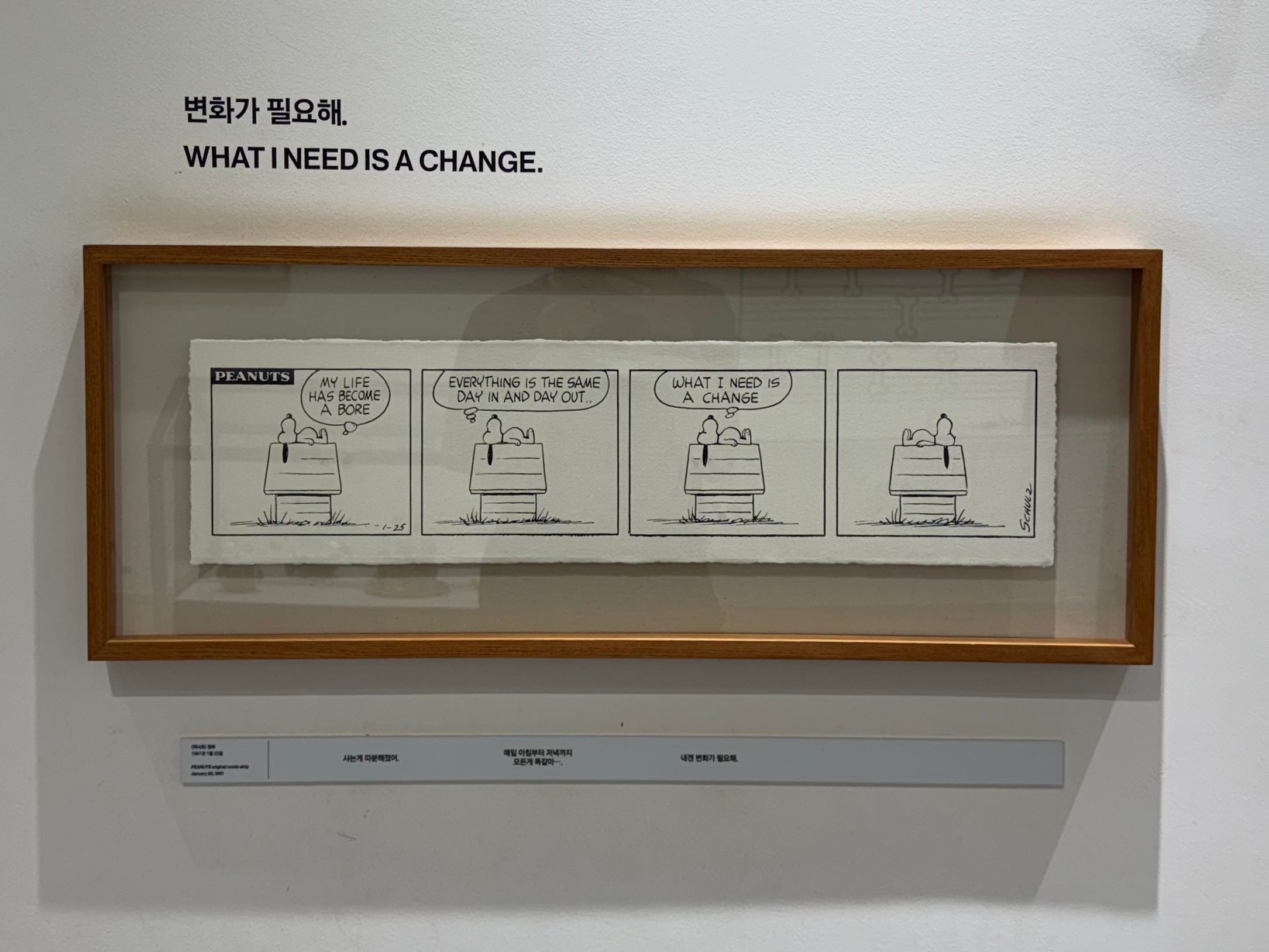
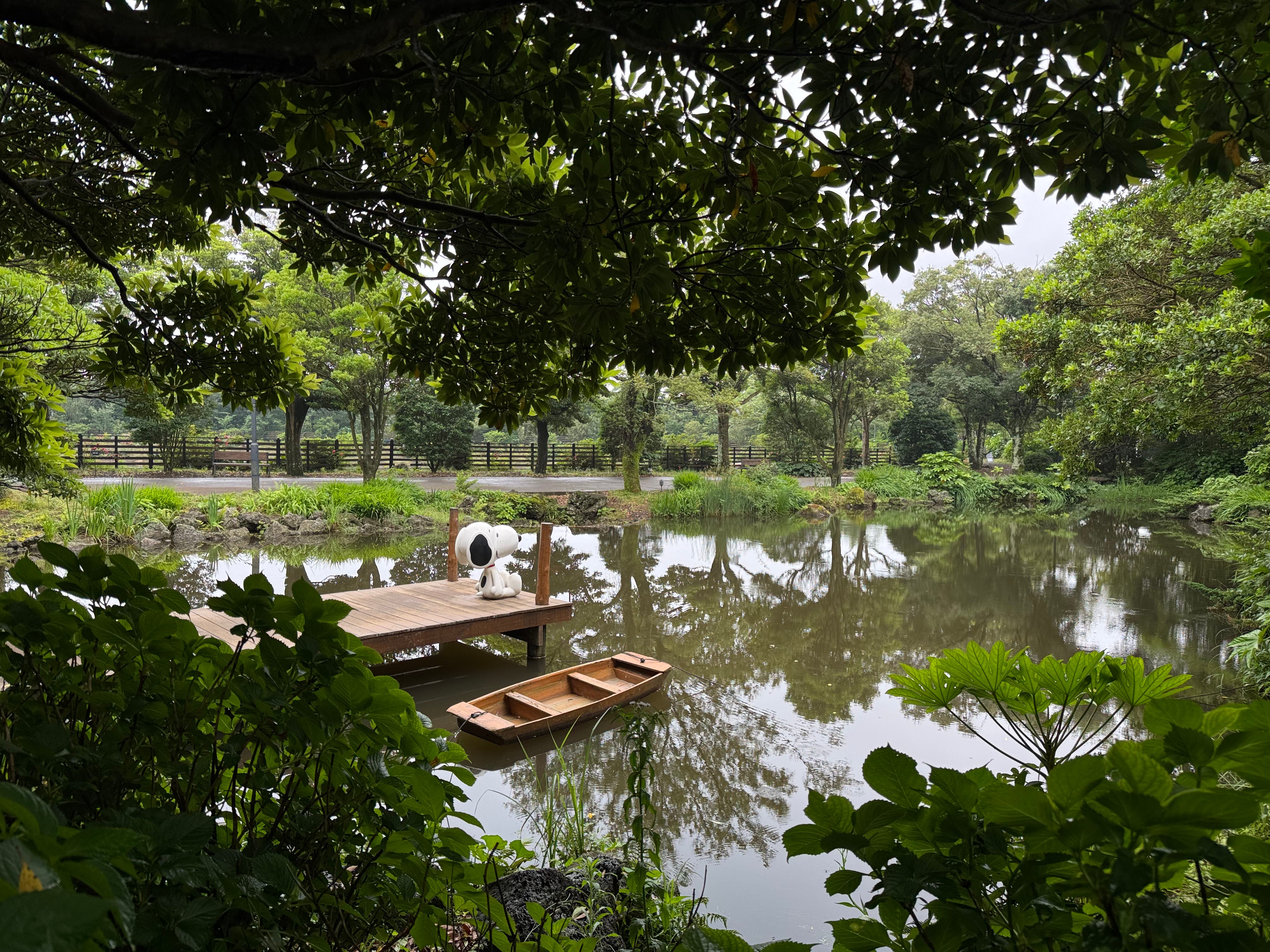
The much more interesting place was Snoopy Garden. This is a museum and garden dedicated to the Peanuts comics. I’ve not really been exposed much to Snoopy growing up, but the museum gave me a new appreciation for it.
The gardens themselves were really well landscaped and maintained, and it was a great way to spend a rainy afternoon.
Local Food
Jeju seems to be nationally valued for a few variants of produce that are native to it. We tried a few:
Udo peanut - tiny peanuts grown on Udo Island. Their flavour is richer than normal peanuts, and as a KP Dry Roasted peanut addict, I liked them.
Black pork - pork from black-coloured pigs native to Jeju. Honestly, nothing crazy - it just tasted like pork.
Hallabong (Jeju orange) - this one’s the most popular by far, with merchandise associated with it sold all over South Korea. It looks like an orange with a protruding bump on top of it, but it’s as easy to peel as a tangerine, and a little sweeter. I’d happily buy it over orange varieties.
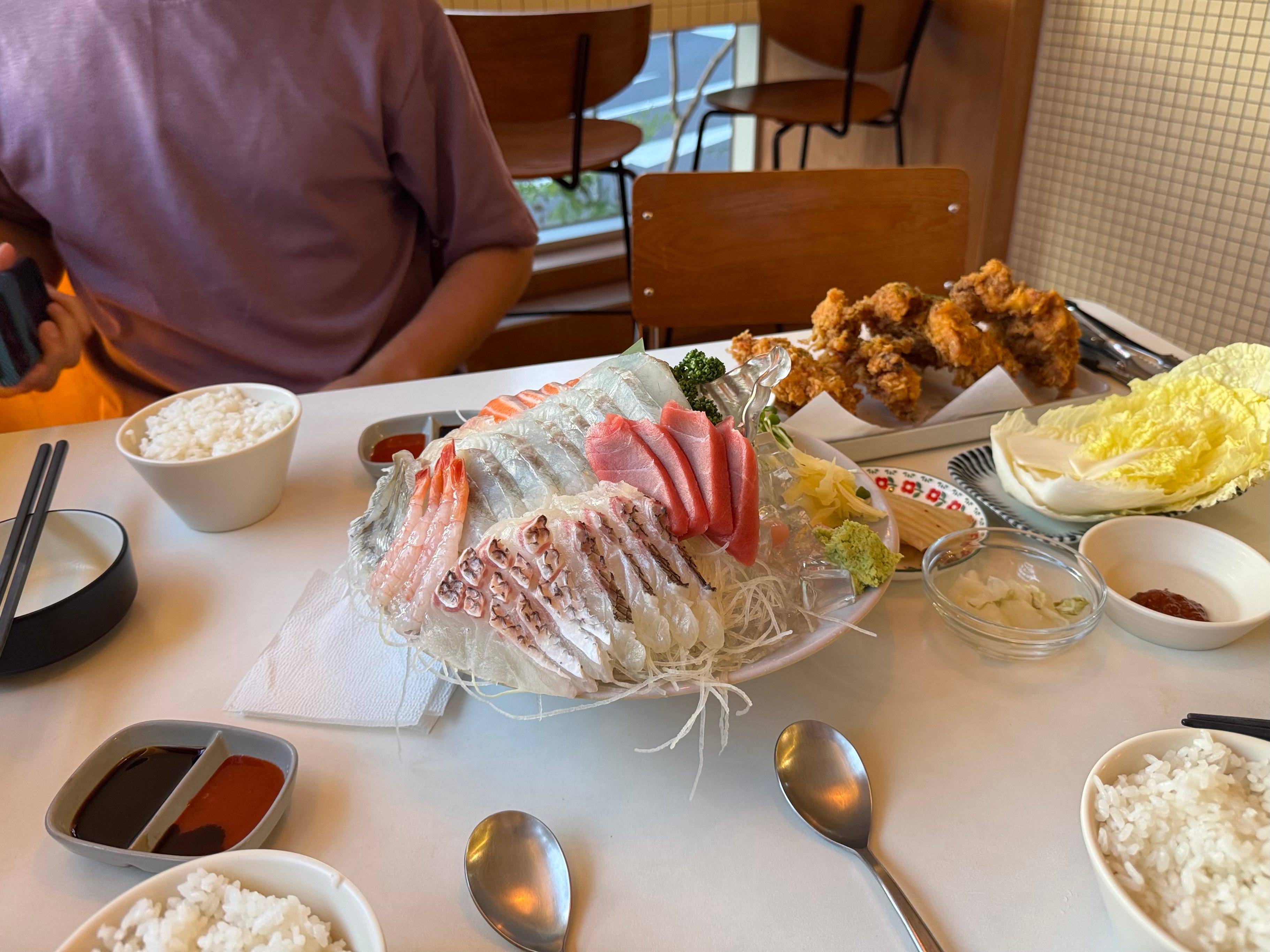
Raw mackerel - we had this in a raw fish selection, and found the raw mackerel to taste the best after tuna and salmon. The seafood in Jeju has been the freshest I’ve had in a while.
Before we got the flight back to Seoul, we stopped by the coast and listened to a local guitar club for the elderly. It was the perfect way to wrap up our stay in Jeju. While the island doesn’t have any major highlights or things you must do, there’s a tranquil energy about it that I’ve simply not felt elsewhere. I’m glad we came here.