
🇨🇳 Beijing - Great Wall, Sightseeing, Clubbing
Wazzup Beijing
I felt a little anxious visiting China. This was mostly driven by the fact that I didn’t know if I could contact the outside world, and because I didn’t know many non-Chinese people who travelled there. As a solo traveller, nobody can bail me out if my Alipay stops working for a random reason, so I made sure to plan accordingly.
Visiting China as a foreigner
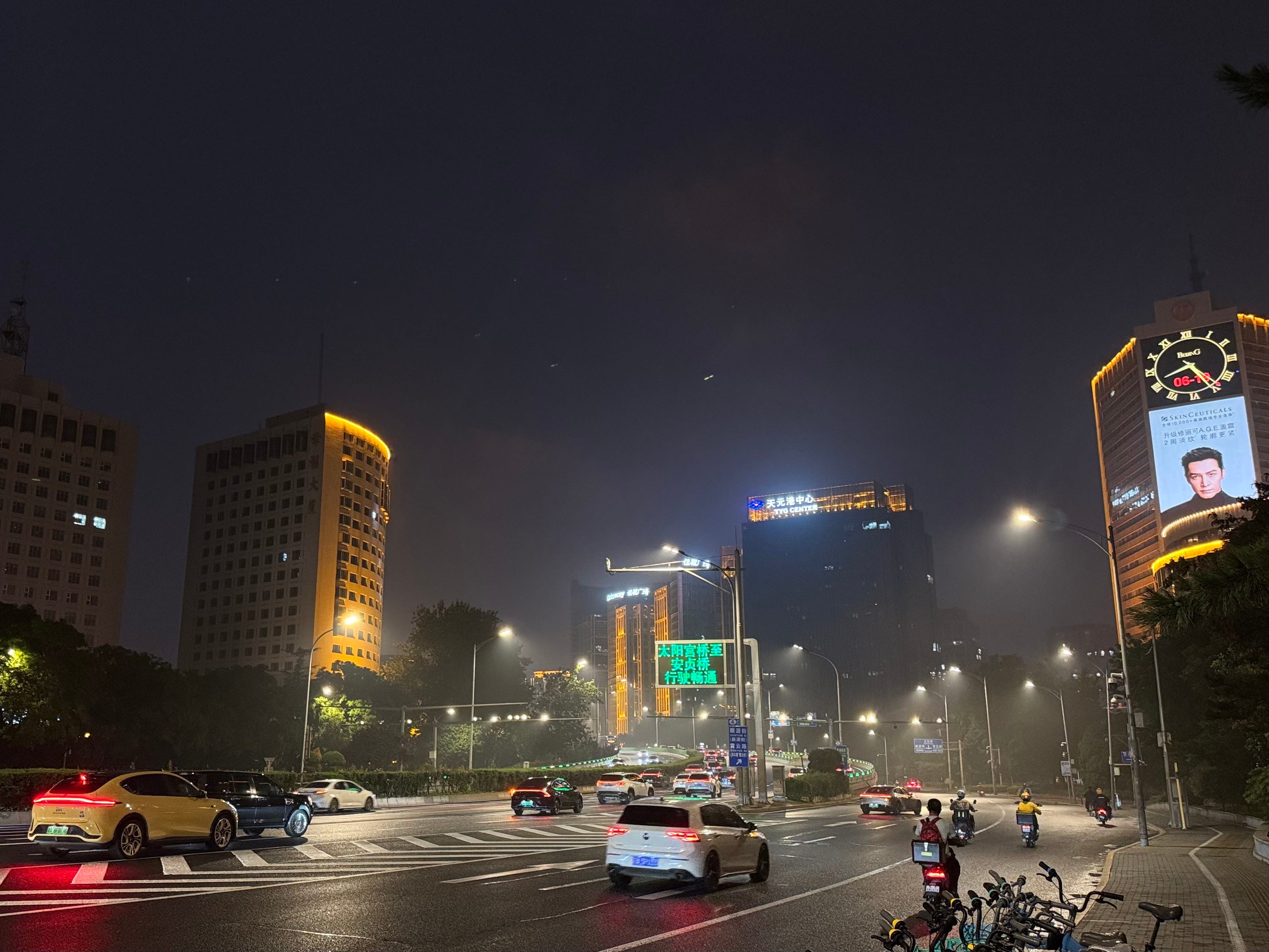
Growing up in Europe, I’ve always had an impression of China as being a high-surveillance state, where my every move would be monitored. To an extent, it is that, but in some aspects, it’s more relaxed than I anticipated. Saying all this, I’m incredibly glad that I took my time when I came here and didn’t over-plan my itinerary. Most of my contingency plans needed to be enacted - my VPN barely worked (which turned out to be more of a necessity than I anticipated, as Gmail doesn’t work in China), and WeChat or Alipay would randomly not let me pay for some things or ask for extra verification when there’s a queue of 7 people behind me. I spent a lot of my first days in China just researching how to make some things work, and even then, some apps are just inaccessible to me if I don’t speak Mandarin (screenshotting and going to Google Translate constantly is exhausting) or don’t have a Chinese Bank card (luckily, that’s just for vending machines).
Needless to say, is the hardest place I’ve ever travelled to in terms of initial setup. It also slightly reminds me of India, in the sense that people are spitting, farting, coughing, and pissing in public. You get used to it.
I also feel like a bit of a beta tester for China opening up to wider Western tourism, with its visa-free entry program starting only earlier this year. Not many people speak English, even in hotels, and my only real gateway into booking anything is the Trip.com app and website. Trip feels like a bit of a monopoly, providing thin abstractions over Chinese systems for booking trains and accommodation. It also annoyingly requires me to pay around a 6% surcharge for the luxury of not getting mysterious errors in Chinese that apparently nobody online has ever encountered before.
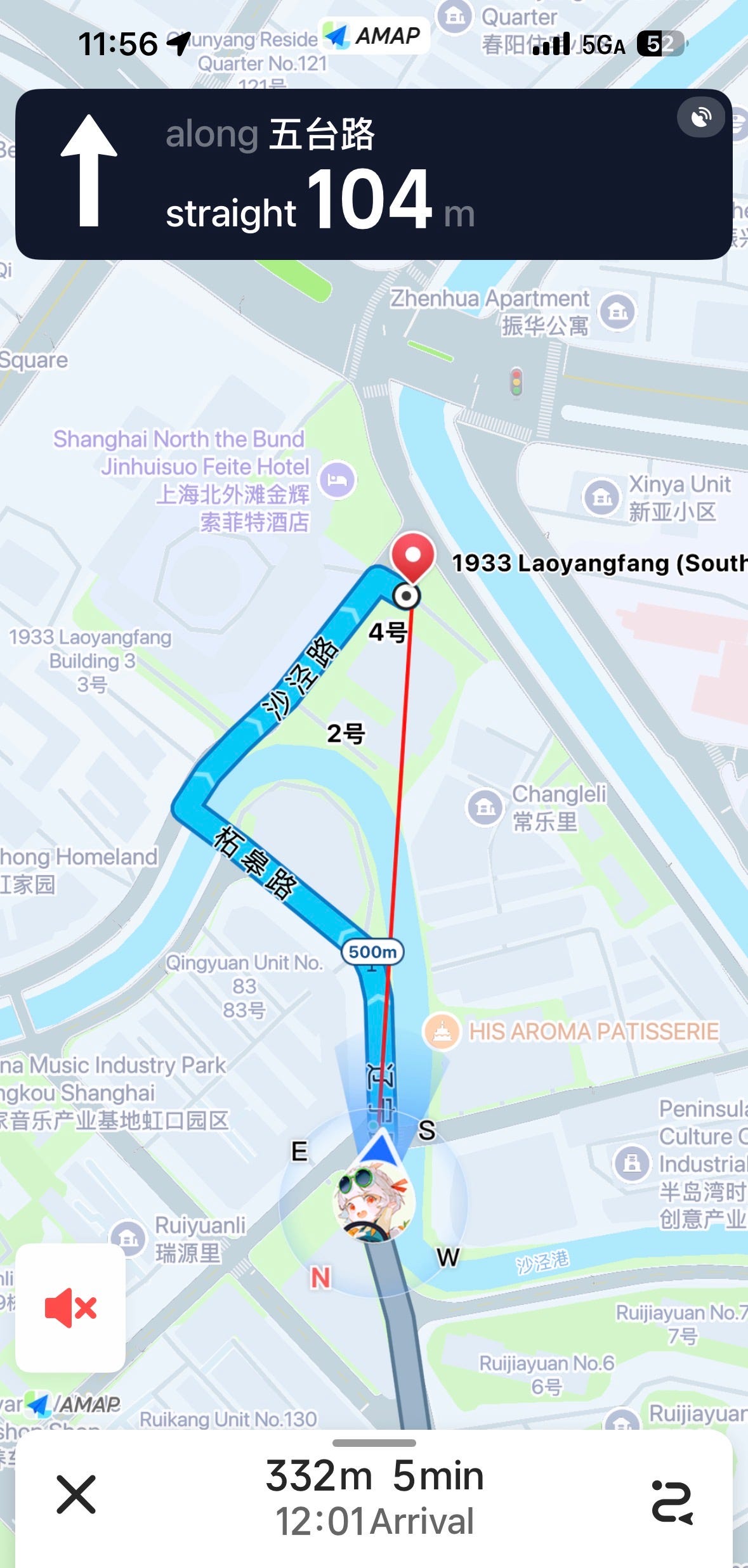
Another big problem I found was locating places. Many English apps and websites will translate the pinyin address into English for you, losing some information, and then once you put it into your maps app, the reverse will happen. As a result, the app will tell you that the place doesn’t exist, it’s in another province, or it will nearly get you there but not quite. I spent an hour looking for my first hostel before finding its listing on Trip.com and tracking it down via its built-in map. Unhelpfully, the most popular maps app (Amap) is terribly slow and heavily prioritises looking for things close to you, so planning for things in other cities is borderline impossible. But at least I could change my navigation icon into an anime girl.
Beijing
Ok, enough complaining. The first two days were tough, with some embarrassing moments, but once everything is set up, China has actually been really rewarding to travel.
As for Beijing itself, to be honest, I was really looking forward to leaving. It’s a disgustingly large, sprawling city. Other than the touristy centre, nowhere really feels lively, because the city is so wide with strict building height limits. For most of the time in the city, I found myself next to a 4-lane road next to industrial complexes, or taking really long tube rides to things that seemed close on a map. Pretty depressing.
Sightseeing
Beijing is full of historical sights. They’re very popular with Chinese tourists, with tickets to most places sold out at least a week in advance. I didn’t know I had to book that early, which initially frustrated me. Later, I found on Reddit (again, I feel like a beta tester with no other website mentioning this) that in most places there’s a foreigner ticket booth that allows me to get tickets on the day. I had to sign a weird waiver saying that I don’t have a smartphone and a Chinese number for some reason, but whatever.
Getting into Tiananmen Square looked like carnage, with a multi-hour queue, so I went to the Forbidden City instead.
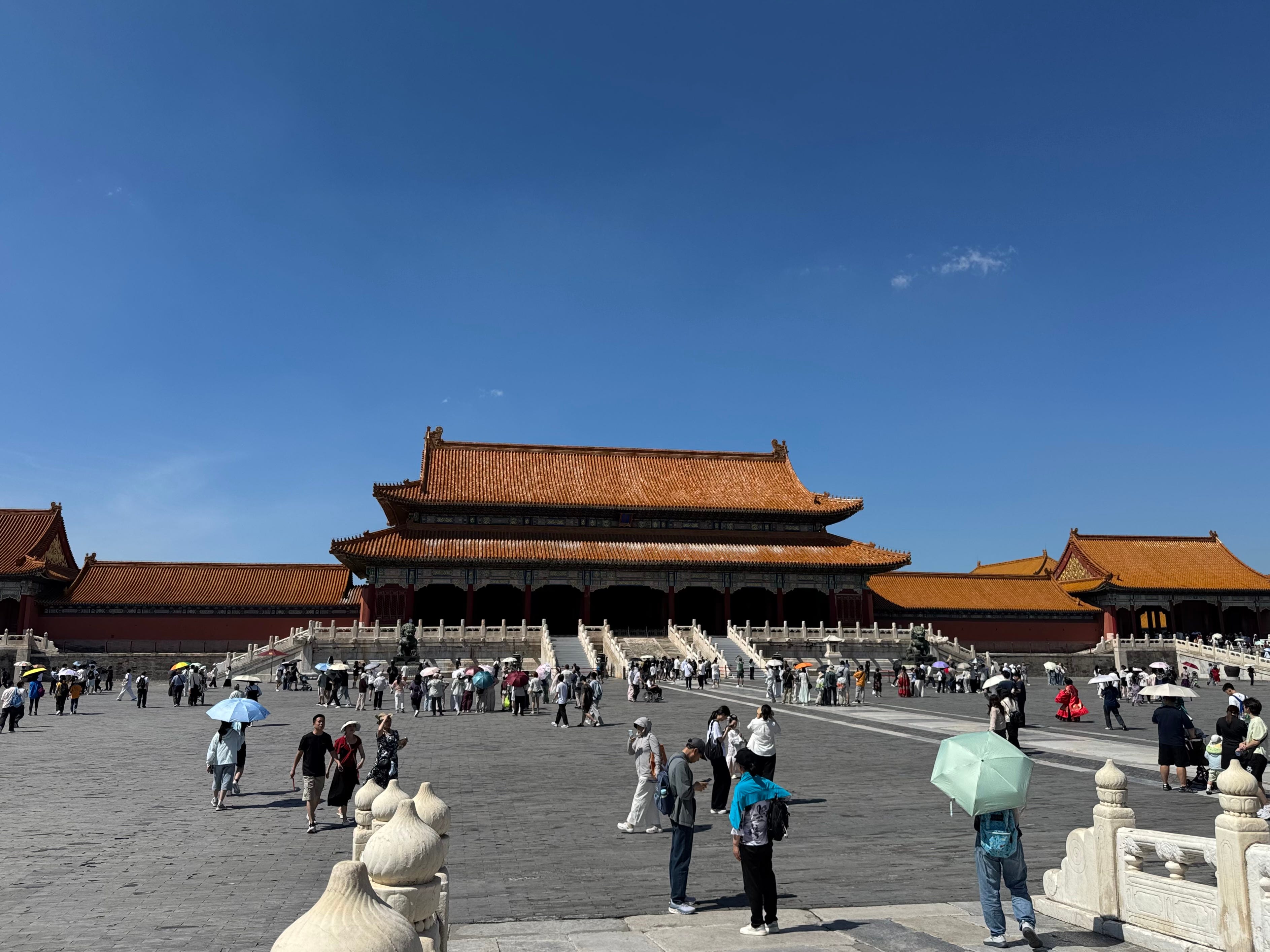
That was fun to explore and learn a bit more about Chinese history. The complex is huge, and you can spend many hours in there (although it all starts looking the same). For the first time since India, the Chinese tourists were also asking me for photos.
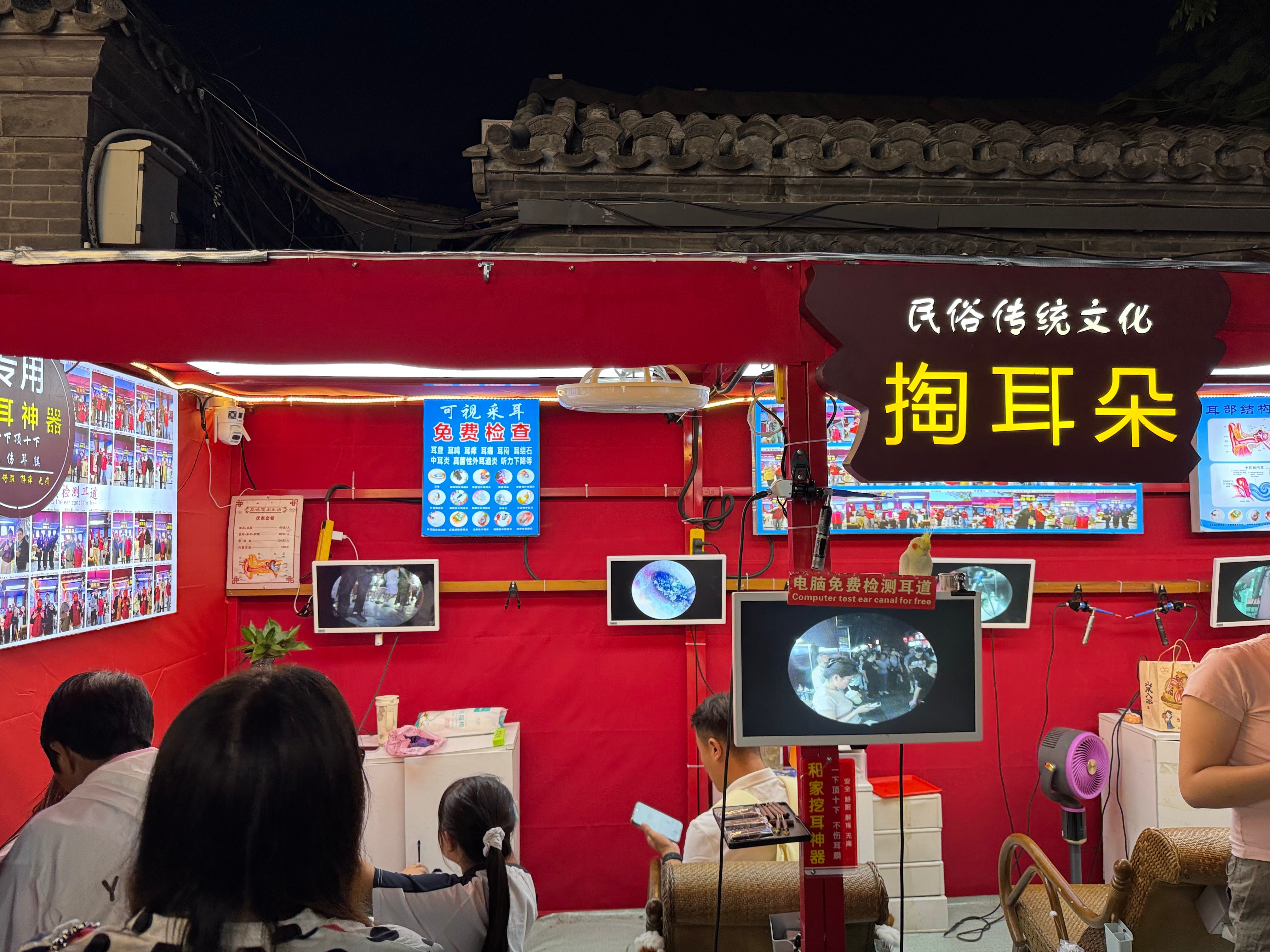
After leaving the Forbidden City, I ended up in the hutongs - traditional low homes with tight alleyways. There, I could watch some live ear cleaning on the street. Lovely.
On subsequent days, I checked out some museums and galleries. I was hoping to learn a bit more about Chinese history at the Capital Museum, but sadly, most of the exhibitions were entirely in Mandarin and translating them all was tiring. The Chinese art museum was great, though, and showcased various pieces that felt uniquely Chinese, such as a strong focus on calligraphy. There was also some hardstone carving which I’ve not seen much of before.
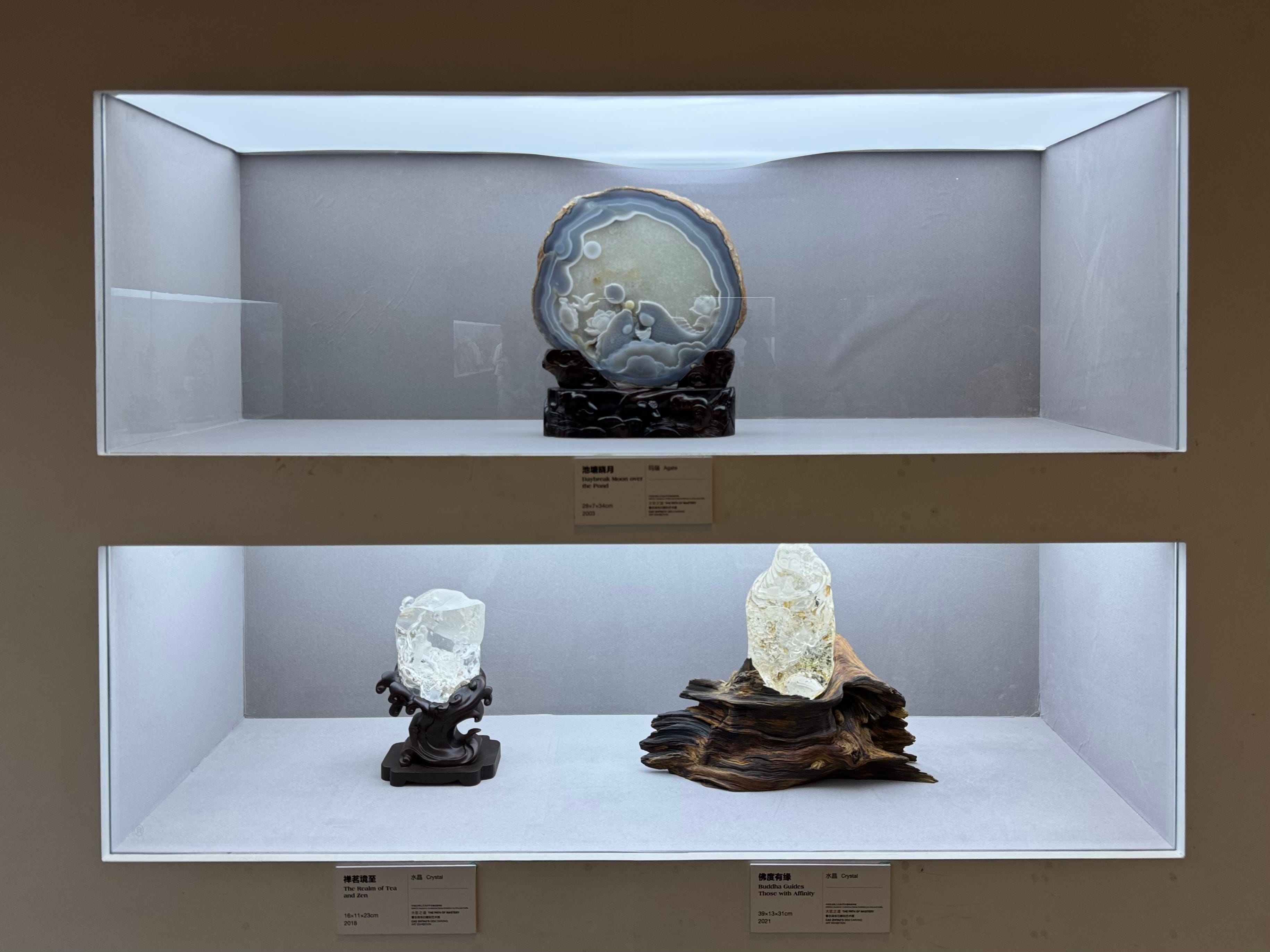
I also checked out the 798 Art District. This area is home to most of Beijing’s contemporary art galleries, and also features some smaller boutique shops and coffee shops. The area is the biggest of this kind I’ve ever seen, and you could easily explore it for hours.
The gallery that interested me the most here was the Mansudae Art Museum. It’s a gallery owned by a North Korean art studio, with the intention to raise money for the DPRK (personally, not something I’d want to support). I read conflicting information online about it not being open to visitors or not being able to take photos, but I found the opposite of both to be true. The gallery was more or less what I expected, with it selling pretty standard paintings of landscapes and animals you'd see in other Asian shops. There was also an exhibition with some war photography, and some North Korean stationery and notebooks (such as a 2026 calendar commemorating Kim Jong Un on the front page).
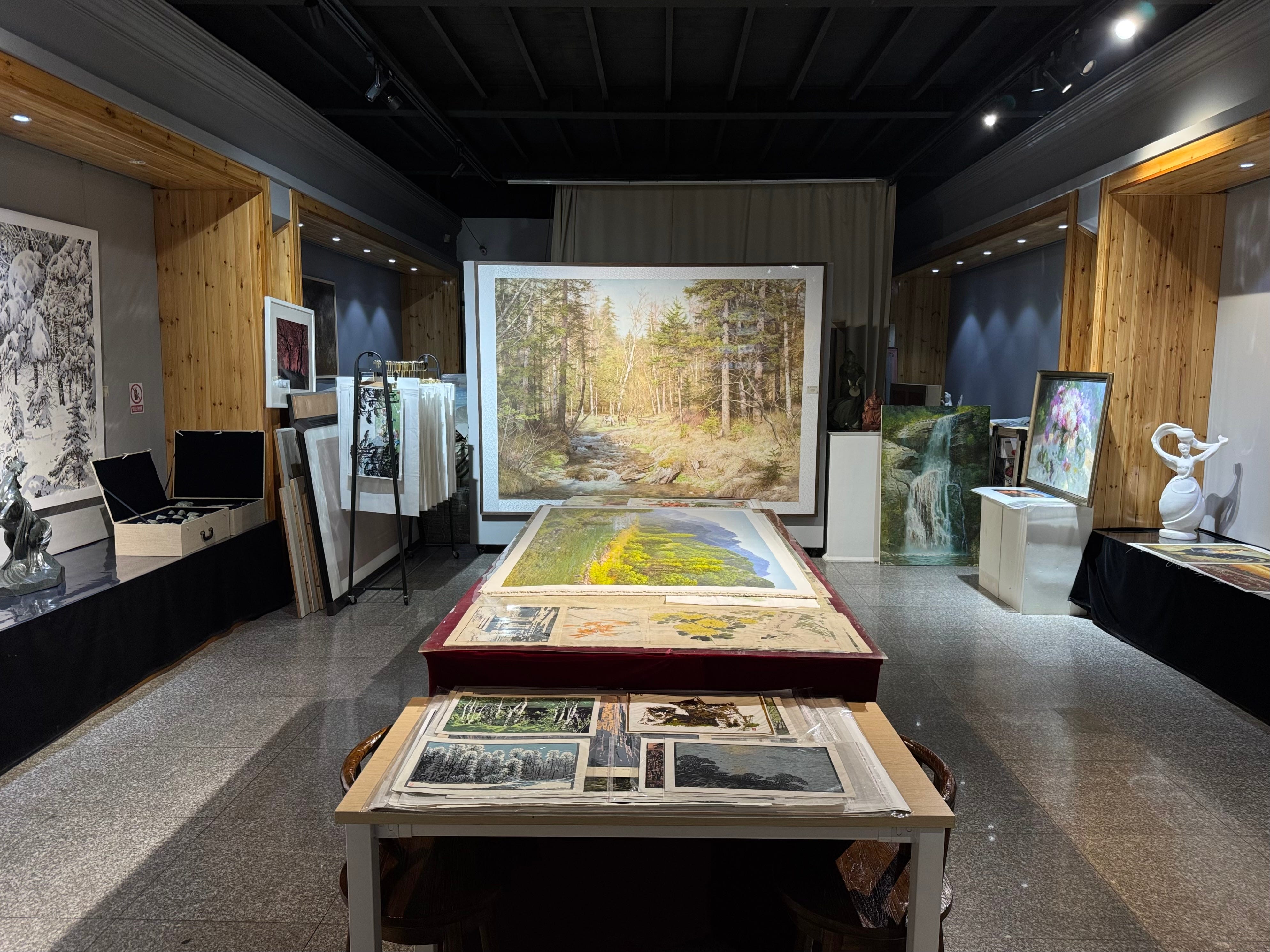
The Great Wall of China
I booked onto a tour to visit the Great Wall, as that’s the easiest way to visit it if you don’t know Mandarin (it’s also not much more expensive than getting tickets separately). Interestingly, we didn’t have a guide during the tour, but rather, the guide just talked about the history on the way there and let us explore by ourselves. Either way, it was great to have someone sort the logistics and be available to message in case we needed help. I chose the Mutianyu section of the Great Wall as it’s more physically demanding than the most popular section, with the best sights. I felt like we made the right choice, and we didn’t even need to get there too early, as it wasn’t too busy.
I met two really chill guys on the tour and spent the day with them - Morgan and Friso. It was easy to navigate the Great Wall, with us first going to the highest point, and then going down to catch the toboggan. At one point, we also got some beers from a lady who was selling them out of her backpack. Bliss.
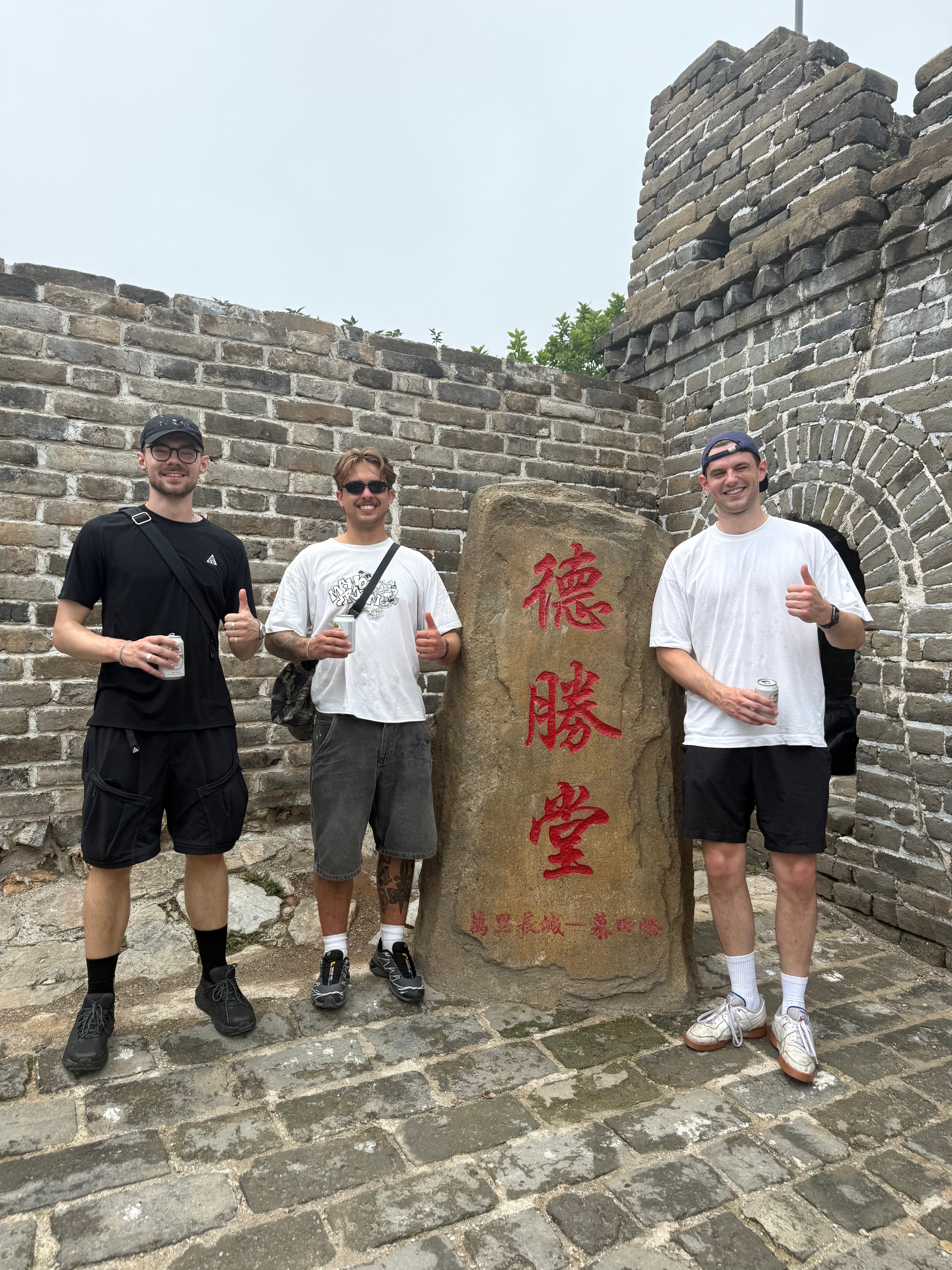
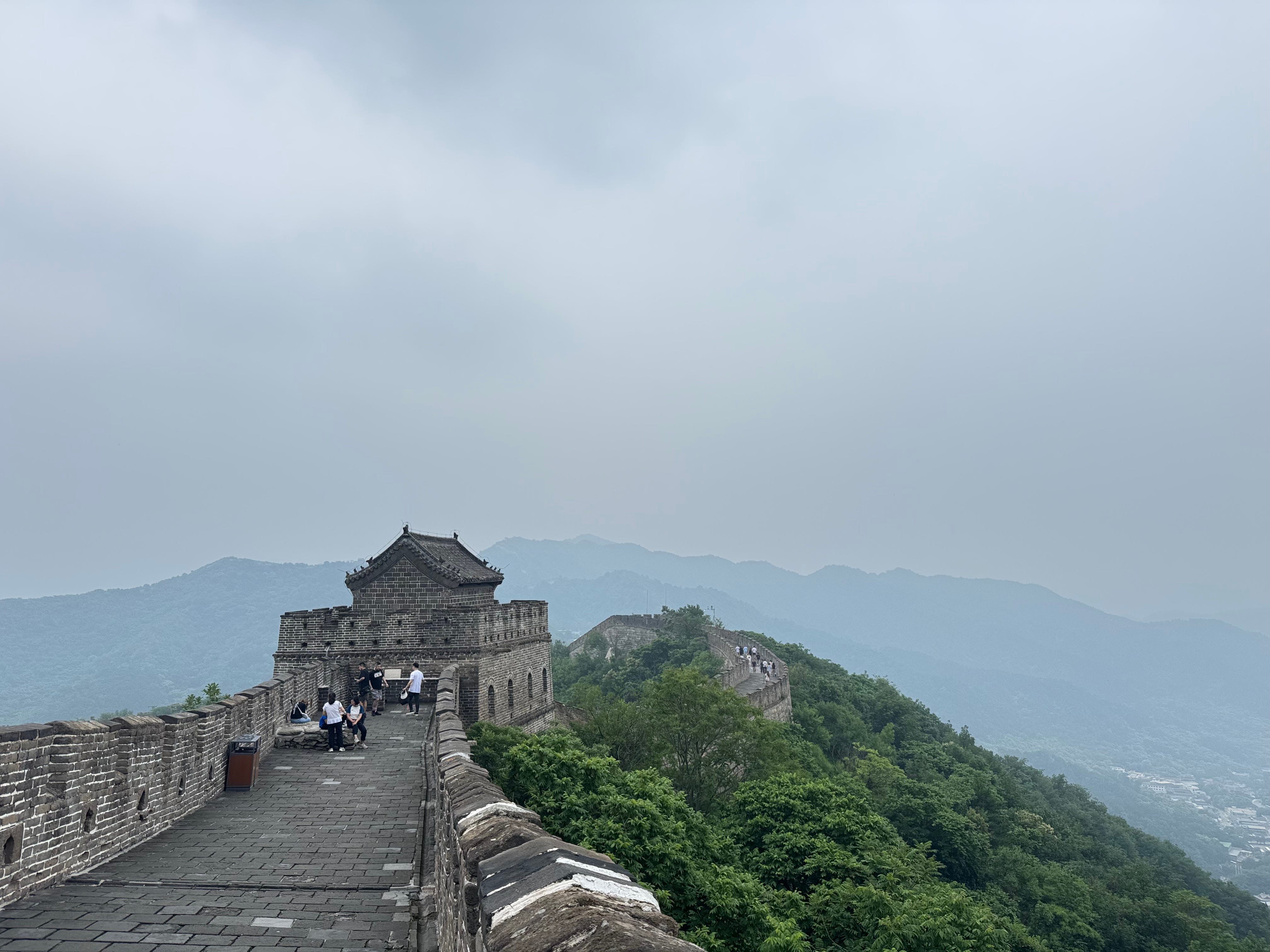
The sights were great, it’s a surreal feeling actually being in the place that you’ve seen in photos your whole life. It was a bit foggy on the day, but it added a sense of mystery to it all.
And finally, the toboggan went down. I didn’t know that this was an attraction on the Great Wall, which was a pleasant surprise because of how ridiculous it seemed. While you couldn’t pick up too much speed, sliding down the Great Wall of China is a pretty unique experience.
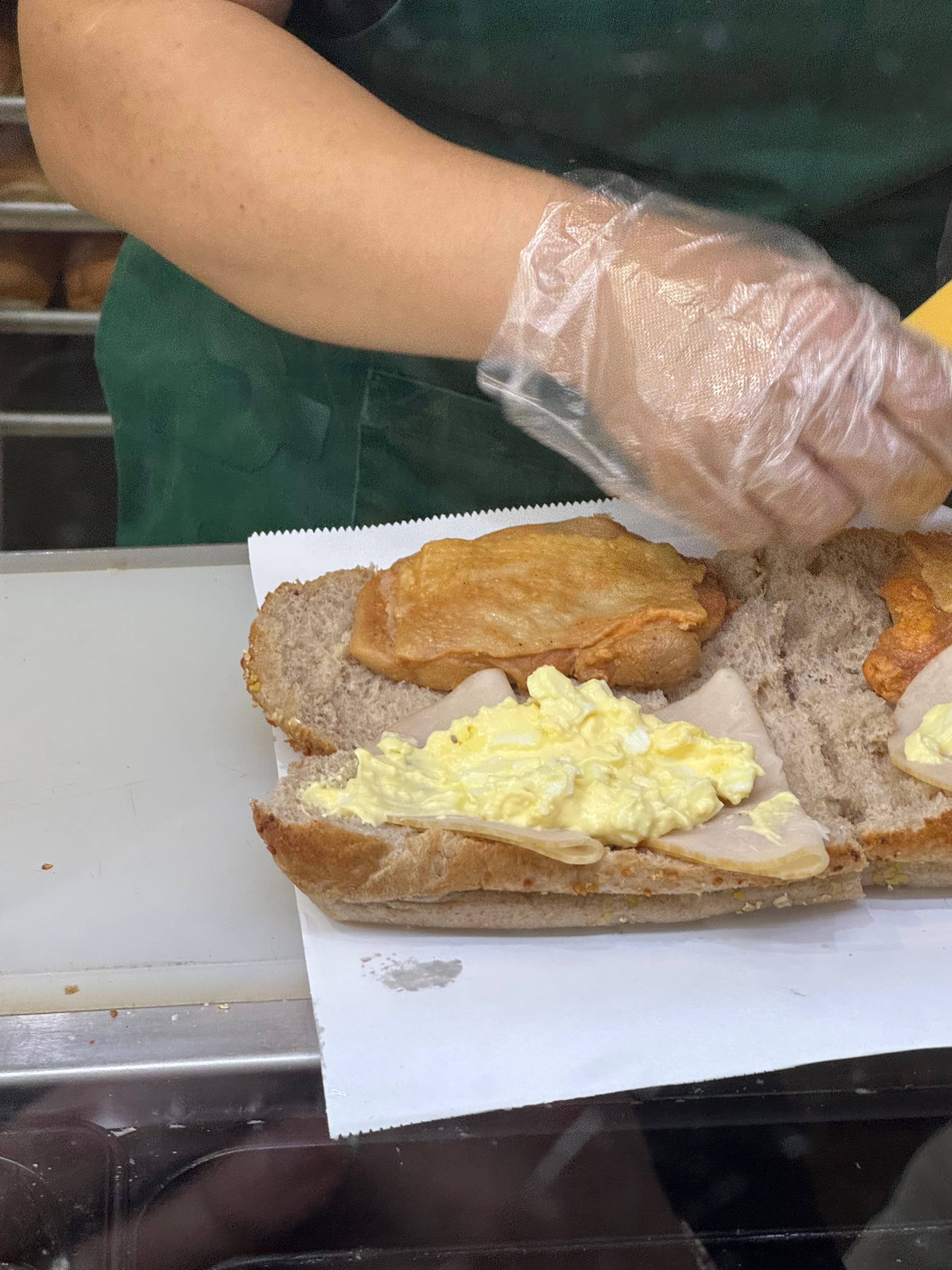
To finish the tour, we got a Subway because it only felt right to get a Subway on the Great Wall of China. The chicken in my sub was still defrosting when the lady was making my sandwich, so I made sure to take a photo so I’ve got something the coroner can look into. Luckily, I’m still here.
Food
I’ve loved every meal I’ve had in China. I think it’s the best food I’ve had on my big travels so far. Maybe all I need to be satisfied is noodles and MSG. I’ve also been thinking about this tweet a good amount while travelling here, which tickles me every time:

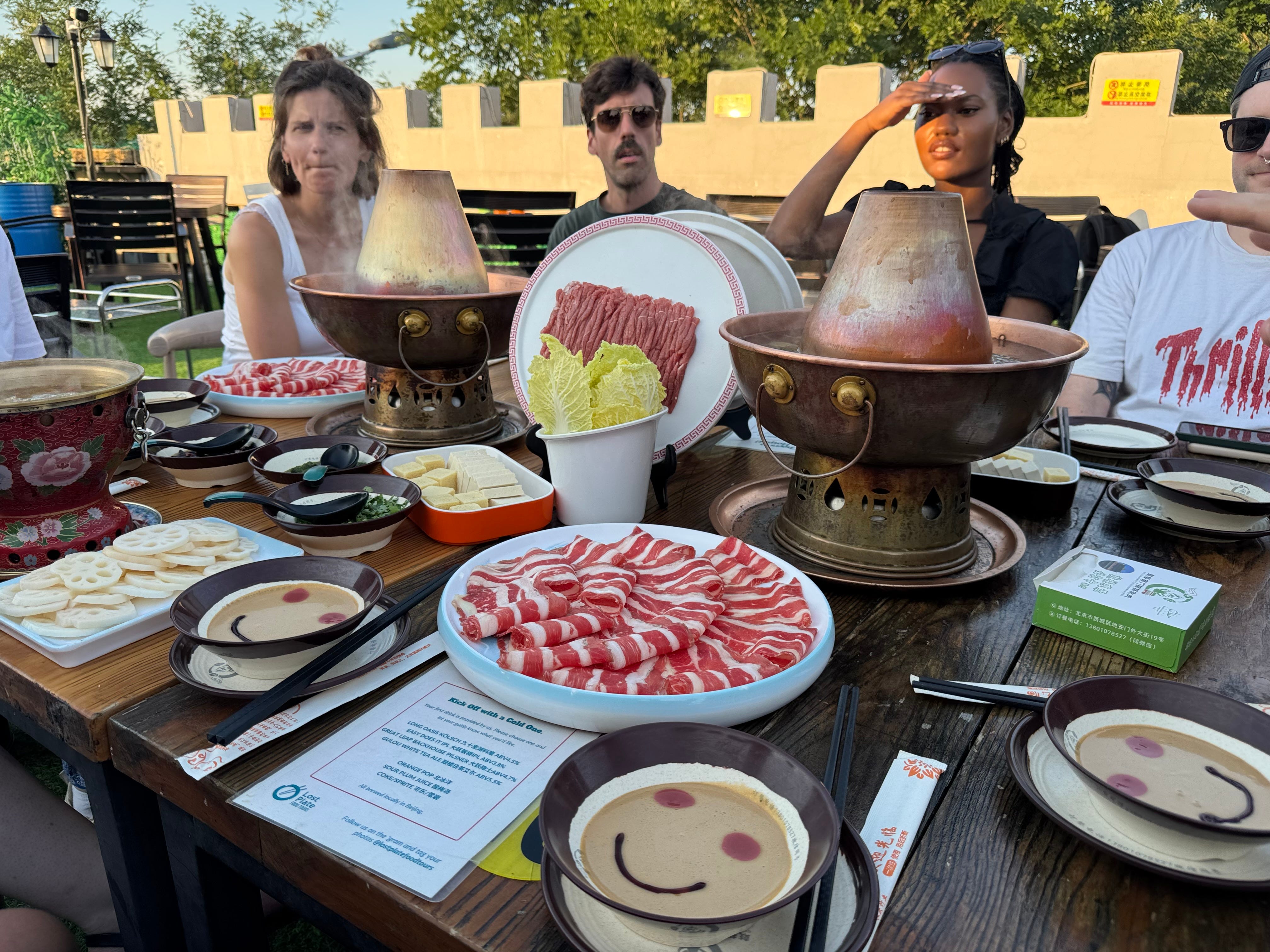
I’ve not had much food in China that I’ve not had before in London, but rather I’ve had variations that I’ve not encountered before. One example is Beijing-style hot pot, from a copper pot with a non-spicy broth. It also helps that the food here is easy to get and is fairly cheap.
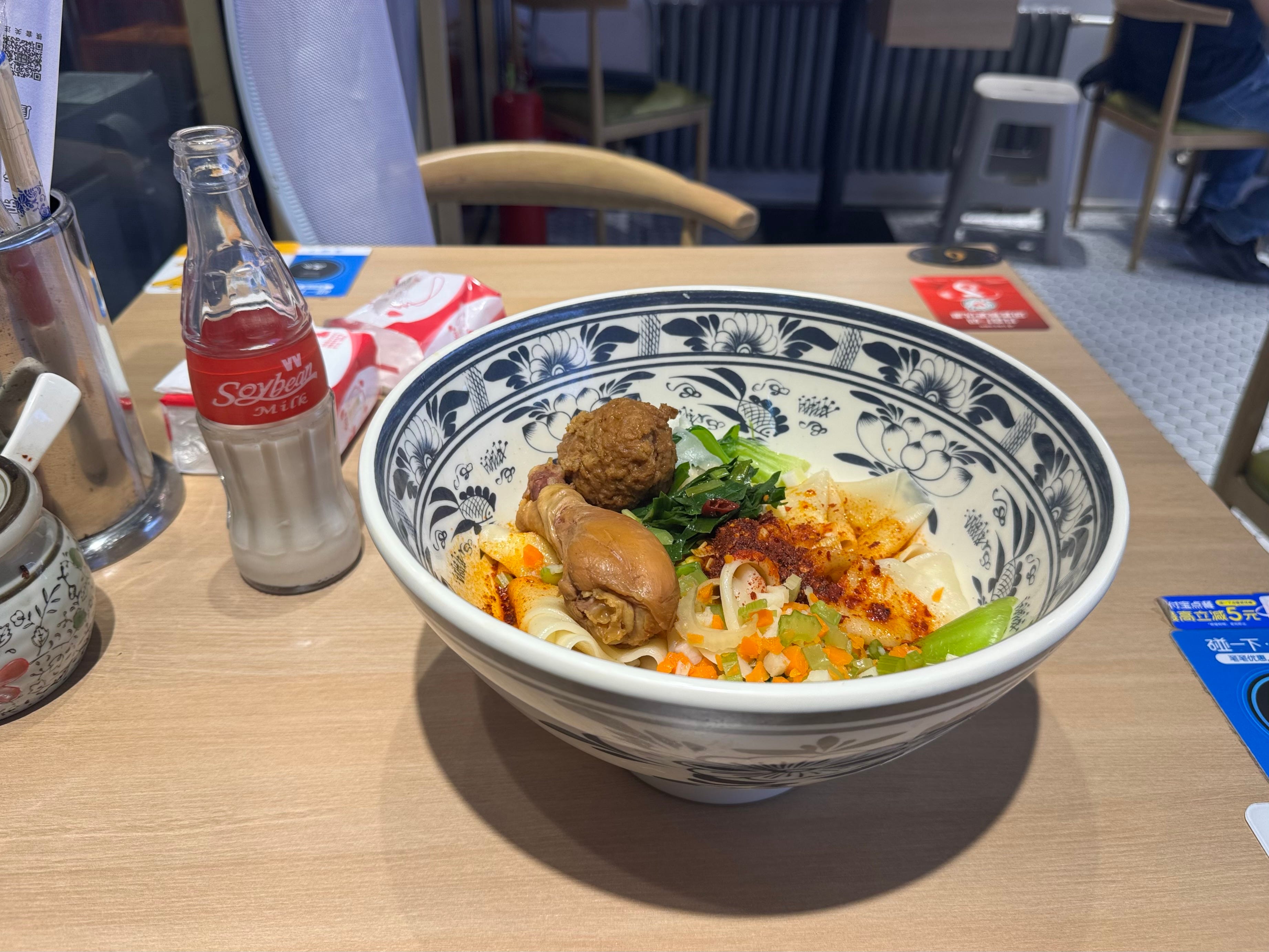
My favourite dish I had here was these incredible biang biang noodles that were next to my hostel. I had them 4 days in a row, and the aunties there got excited every time I thanked them in Mandarin.
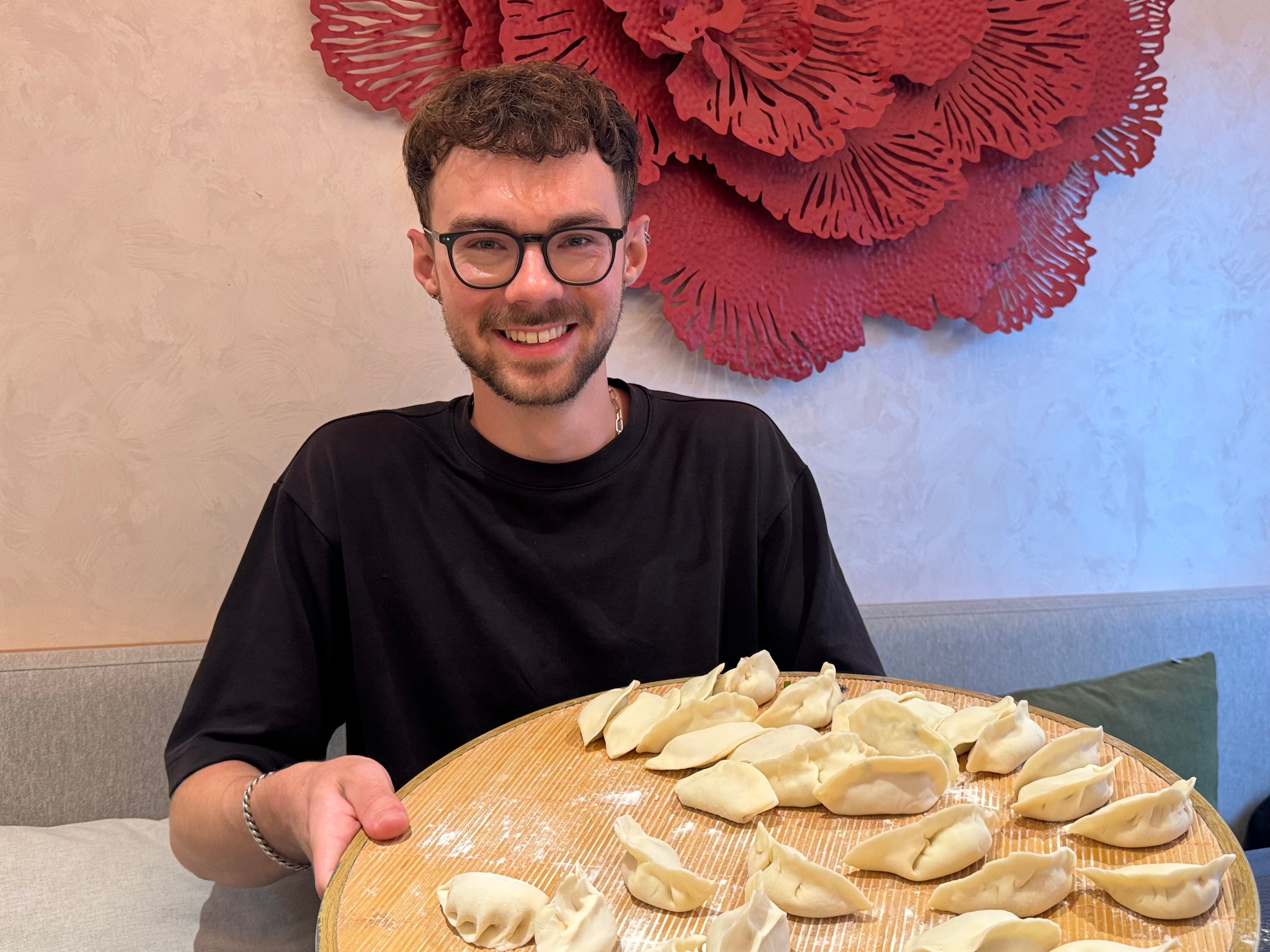
I couldn’t find a decent Chinese cooking class in Beijing, so I went for a dumpling-making class that someone on Hostelworld suggested. That was good fun, and even the chef of the hotel that the class was at got involved as he was walking past and taught us a few techniques.
One aspect I had to get used to when it comes to Chinese restaurants is that they rarely have toilets in them. Instead, people use public toilets. Sadly, they rarely have toilet paper and can be a bit intense. When I was doing a food tour, I went into one, which had a squatty potty between two urinals, with no dividers in between. There was a Chinese guy on the squatty potty pooping while playing a game on his phone, and I had to just go and pee next to him as he was ripping arse, getting a glimpse of him getting some high scores. I’ve not experienced this anywhere else.
Clubbing - DINA at Pillbox
I went to see DINA at Pillbox (RA link), with her usually playing a blend of trance and techno featuring heavy basslines. I’ve known of Pillbox getting decent bookings too, so I was curious to check out the venue.
The venue was in what felt like a ghost town, as most things in Beijing are. A nice touch was self-service lockers outside the club, completely omitting the need for a cloakroom. I wish more clubs had this.
As I got in, the warmup DJs were playing schranz mixed in with pretty terrible TikTok techno edits of pop tracks. I honestly felt really sorry for DINA having to perform after them, and got a bit dubious of the club’s curation. As for the club itself, it was a pretty standard space with a decent sound system. Nothing to complain about, but also nothing necessarily to praise.
I made the most of the lacklustre openers to explore the club. There were a few chillout areas, which were a nice touch, although the decor I thought was a bit crap - there was a huge anime-esque statue in a bit opposite the bar, and one of the chillout areas had a 032c magazine and some other pop culture magazine from years ago featuring Smokepurpp on the cover. It felt a bit like if you asked an AI about how to decorate a space for alternative teenagers.
There was also a second room, which I really enjoyed. A DJ called Blitz was playing there seemingly for the whole night, mostly playing Adrian Mills-esque bouncy techno.
I found the cocktail menu to be pretty funny, naming drinks after electronic music subgenres. I don’t know about you, but I’m getting an electro.
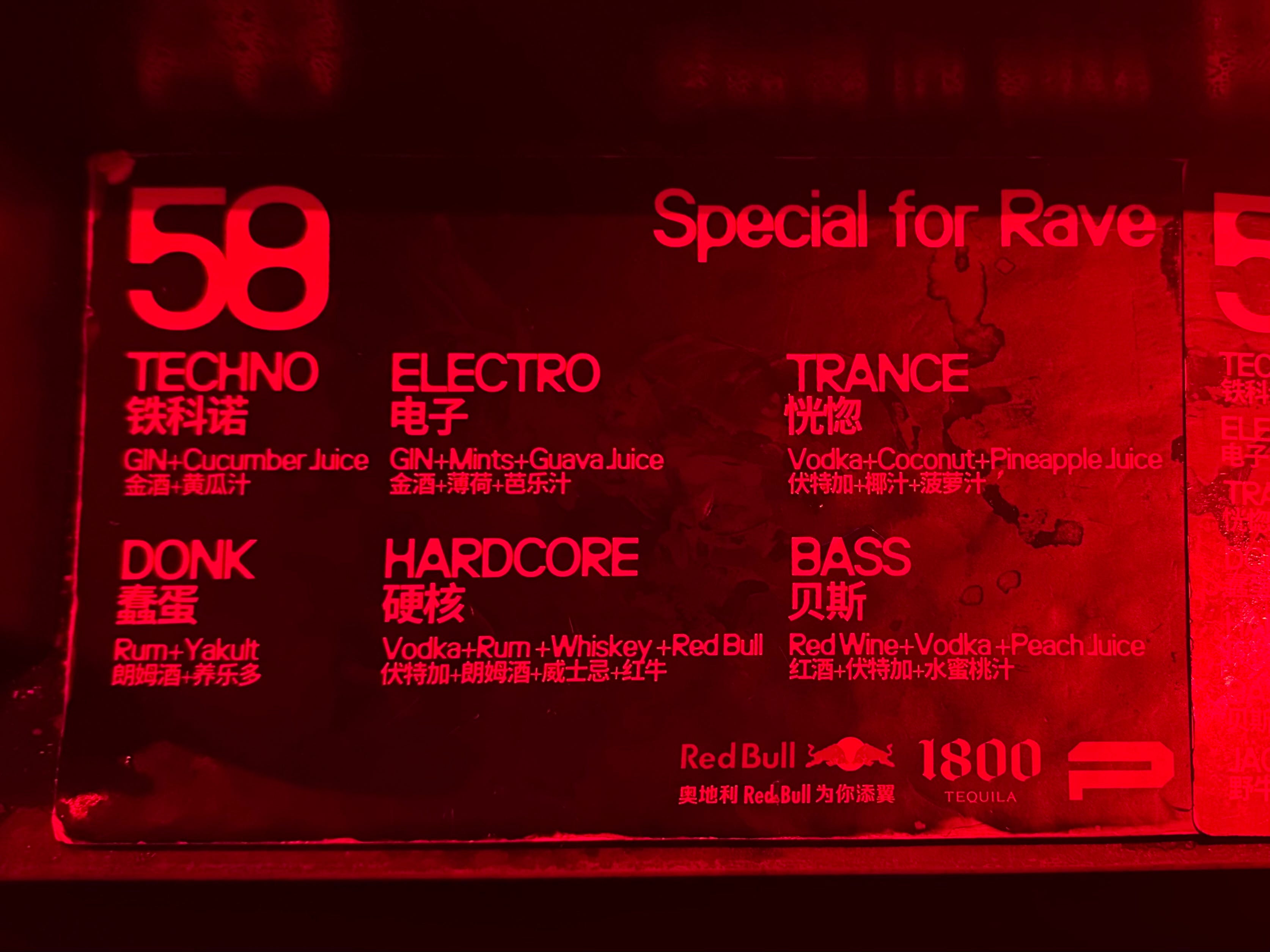
DINA’s set was great, but it did feel like most of the crowd was barely holding on, especially after the ridiculous opener. With BPMs not increasing and DINA staying true to her usual selections, a lot of the student-heavy crowd started flagging pretty early, despite it still being relatively early in the night. The more I go to Asian clubs, the more I think that liberal-ish drug laws might be essential for the development of a sustainable electronic music scene.
Pillbox is the first time I’ve seen security on the dancefloor in Asia. Interestingly, it didn’t seem like they were looking for drug use or rowdiness, as both aspects seem pretty non-existent in Asia, but rather, they would rush in through the crowd to pick up dropped glass bottles. Curious job to have.
I stayed for a little while after DINA’s set, but the dancefloor started getting pretty empty at pretty early hours by European standards. The next morning, I got woken up by my bunk-mate scraping the dead skin off his feet on the ladder going up to my bunk, and was later further tested by a girl trimming her toenails in the hostel dining area as I was having breakfast. I don’t get grossed out often, but damn. Customs are very different here.